
Skip to content

Language
en | fr

Skin integrity in wound care: Preventing complications

Start with skin to support better outcomes

Clinicians work every day to protect skin in care settings where the barrier can be easily compromised. Effective care involves preventing avoidable trauma during adhesive removal, and on choosing products that support skin integrity across diverse clinical situations.

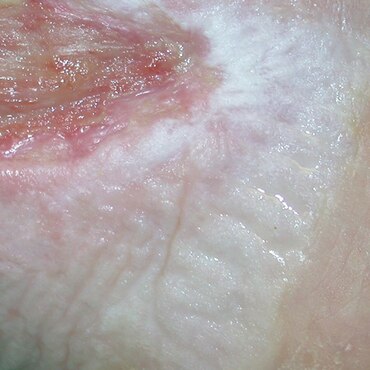
Overlooking individual skin needs may contribute to an increased risk of MARSI and other potential complications related to skin barrier disruption, such as infection.
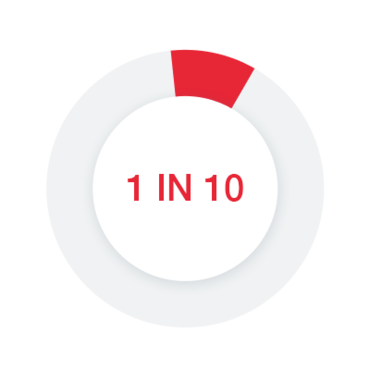
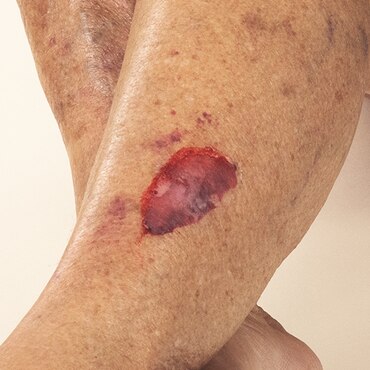
Skin tears represent more than 1 in 10 wounds in skilled nursing facilities¹

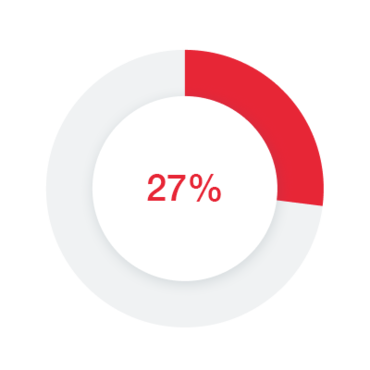
In Australia, MARSI was estimated to affect over a quarter of individuals with postoperative wounds within 12 months²

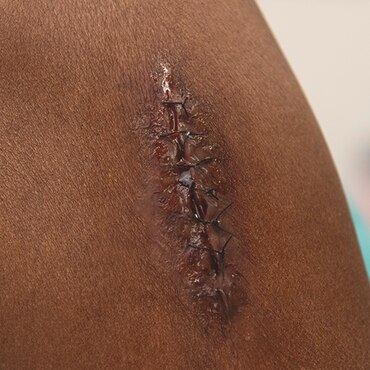
Surgical site infections can contribute to 6.5 days longer hospital stays, on average³

A skin‑first approach can enable clinically appropriate adhesive selection tailored to each patient’s skin status and care requirements. By focusing first on protecting skin integrity, clinicians can help prevent avoidable damage such as irritation, MARSI, and skin tears, and preserve the skin barrier as a critical defense against microbial entry and infection. Appropriate adhesive choice can support secure fixation where needed, with reducing the risk to compromise the skin.

Which issues are you trying to prevent today?

Medical Adhesive Related Skin Injury (MARSI)

Surgical site infections

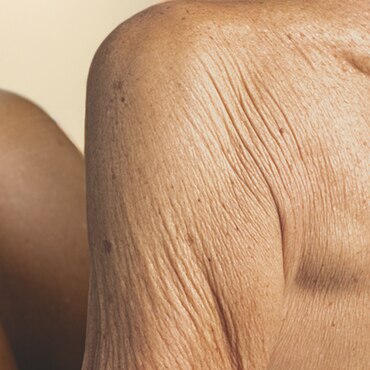
Avoiding skin damage on fragile skin

Think Skin. Think Leukoplast.

We are committed to skin-first practice across every stage of care. This includes:

  • Dedicated solutions for patients with fragile or at risk skin, designed to minimise adhesive-related skin damage
  • Post-operative dressing solutions to safeguard your surgical results from surgical site infections
  • Fixation solutions that are reliable, secure, stretchable and breathable

Together, these solutions support evidence-based clinical decision-making, helping protect the skin barrier and supporting safe, comfortable care for all skin types.

Explore our solutions

Leukoplast Skin Sensitive

For fragile & at‑risk skin

  • Skin-friendly fixation for securing large wound dressings
  • Wound dressings with skin-friendly adhesive
  • Gentle removal medical tapes
  • Waterproof & transparent options

Surgical Site Dressings

For post-surgical incision care

  • Bacteria-and fungi-binding surgical dressings
  • Transparent, air permeable sterile dressings
  • Atraumatic and skin friendly sterile dressings

Hypafix complete wide area fixation range

For reliable wide area fixation

  • Reliable and secure fixation
  • Stretchable & conformable, even on difficult-to-treat body areas
  • Breathable, skin-friendly, suitable for all skin types

Watch video: wound stories

For many, a skin tear is more than a wound - it’s a painful, often distressing event that can impact dignity, comfort and quality of life.

Developed by the International Skin Tear Advisory Panel (ISTAP) in partnership with the European Wound Management Association (EWMA), Living with Skin Tears and Skin Fragility brings real patient and clinician stories to the forefront. Through this collaboration, we support the sharing of powerful, real‑world perspectives that highlight the human impact of skin tears and the daily challenges faced in care settings. Explore these lived experiences and discover why prevention, gentle handling and informed dressing choices are essential to protecting fragile skin.

A skin tear is never just a skin tear. Behind every skin tear is a patient with a story.

Explore our resources

References

  1. Fraser RDJ et al. Analysis of real-world data from North American skilled nursing facilities’ skin and wound records for skin tear prevalence, healing and treatment. J Wound Management. 2022;23(2):87-98.
  2. Upton P et al. Complications associated with postoperative dressings: a clinician’s perspective. Wound Practice and Research. 2019; 27(4): 158-63.
  3. Global guidelines for the prevention of surgical site infection, second edition ISBN 978-92-4-155047-5 ©World Health Organization 2018